
Why Expressionistic Florals Feel So Alive
Sep 04, 2026
Art has a unique way of changing how a room feels. Have you ever looked at a painting and instantly felt a wave of comfort? That feeling rarely comes from mass-produced wall decor. It happens naturally when you welcome genuine fine art into your space.
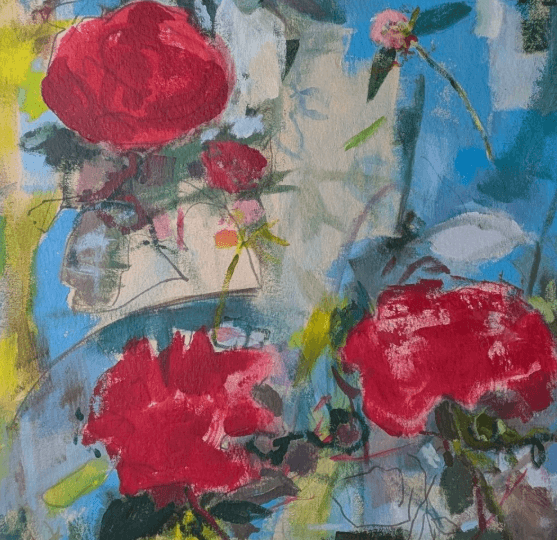
Botanical art has been popular for a very long time. Traditional flower drawings focus on getting every tiny detail exactly right. Expressionist art takes a completely different path. It does not try to copy nature line by line. Instead, it captures the motion, light, and pure feeling of fresh flowers on canvas.
Table of Contents
- Moving from Realism to Emotion
- How Simple Brushstrokes Create Movement
- Using Color to Change the Room
- Key Elements That Make Flowers Feel Alive
- Bringing Nature into Your Daily Space
- Frequently Asked Questions
- Final Thoughts
Moving from Realism to Emotion
When you look at flowers in a garden, you notice more than just their shapes. You see how the wind moves the stems, how sunlight filters through the leaves, and how bright colors lift your mood. Traditional art shows what a flower looks like. Expressionist art shows how a flower feels.
By painting naturally and straight from the heart, expressionistic florals bring genuine life to a canvas. Instead of locking petals into stiff outlines, this style uses free strokes and open shapes. The result is a picture that feels active and fresh, shifting gently as natural light moves across your room.
How Simple Brushstrokes Create Movement
Layering paint thickly with a palette knife creates real physical depth. When sunlight hits these raised surfaces, it creates natural highlights and small shadows on the canvas. This physical surface keeps your eyes moving so you discover new details every time you look.
People who want to buy expressionist nature landscape painting artwork often love this rich texture. You can still see the energy of the artist in every brushstroke. That visible touch stops the art from looking flat, giving your room a friendly focal point that never feels boring.
Using Color to Change the Room
Color has a direct effect on your daily mood. Soft greens and earthy tones make a room feel calm and grounded. Bright pinks and warm yellows bring energy and cheer. Expressionist art uses color to create feeling rather than just copying real life.
As a contemporary Vermont artist, my daily work is shaped by the changing seasons outside my studio window near Mount Abraham. Bringing those natural shifts inside turns any house into a soothing place to rest. Art should never feel like a cold catalog item. It should feel like a warm embrace every time you step into the room.
Key Elements That Make Flowers Feel Alive
Understanding why this style feels so open and friendly comes down to a few basic ideas. Here are the simple elements that give these canvases their energy:
- Free Brushstrokes: Quick and natural strokes capture the quick spirit of a flower instead of a frozen picture.
- Simple Color Matches: Putting warm and cool shades next to each other creates a gentle glow like real sunlight.
- Raised Paint Texture: Thick paint layers catch the light in your room to give the picture real depth.
- Open Spaces: Leaving simple open areas gives your eyes a place to rest and enjoy the view.
- Natural Flow: Curved lines copy the easy shapes found in stems, petals, and breeze.
Bringing Nature into Your Daily Space
Adding original art to your home is a simple way to care for your personal wellbeing. Surrounding yourself with hand-painted art connects your indoor spaces to the quiet rhythms of the outdoors.
Whether you hang a piece above a quiet reading chair or make it the center of your living room, expressive art adds true heart to modern spaces. It offers a gentle daily reminder to slow down, relax, and enjoy simple beauty.
Frequently Asked Questions
1. How is expressionist floral art different from older styles?
Older styles focus mainly on how light looks on an object. Expressionist art focuses on how the subject makes the painter feel. It uses bold paint textures and bright colors to share a clear mood rather than a strict photo.
2. How do I pick the right size painting for my wall?
Measure your wall space before you choose. A good painting usually fills about two thirds of the empty space above a sofa or table. Choosing a slightly larger canvas helps tie the whole room together.
3. Will flower paintings work with modern furniture?
Yes, they fit in very easily. The soft shapes and rich textures of flower paintings balance out the straight lines of modern furniture. This keeps a modern room from feeling cold or empty.
4. What is the best way to light a textured painting?
Soft overhead lighting aimed at a gentle angle brings out the raised strokes of the paint without making a glare. Normal sunlight from a nearby window also shows off different color tones throughout the day.
5. How are canvas prints different from original paintings?
Quality prints use long lasting inks to copy the colors and details of an original painting on canvas or paper. They offer a simple way to bring real artistic warmth into your home at an friendly price point.
Final Thoughts
When I paint in my studio near the mountains, I am always reminded of how much nature helps us feel at peace. Creating art is never just about placing paint on a board. For me, it is about sharing a simple feeling of comfort and quiet joy with you.
I believe your home should always welcome you back with ease. If you would like to bring a little extra color and light into your daily space, I invite you to take a look at my work at Brenda Myrick Art. Take your time, look through the collection, and find the piece that feels right for your home.